



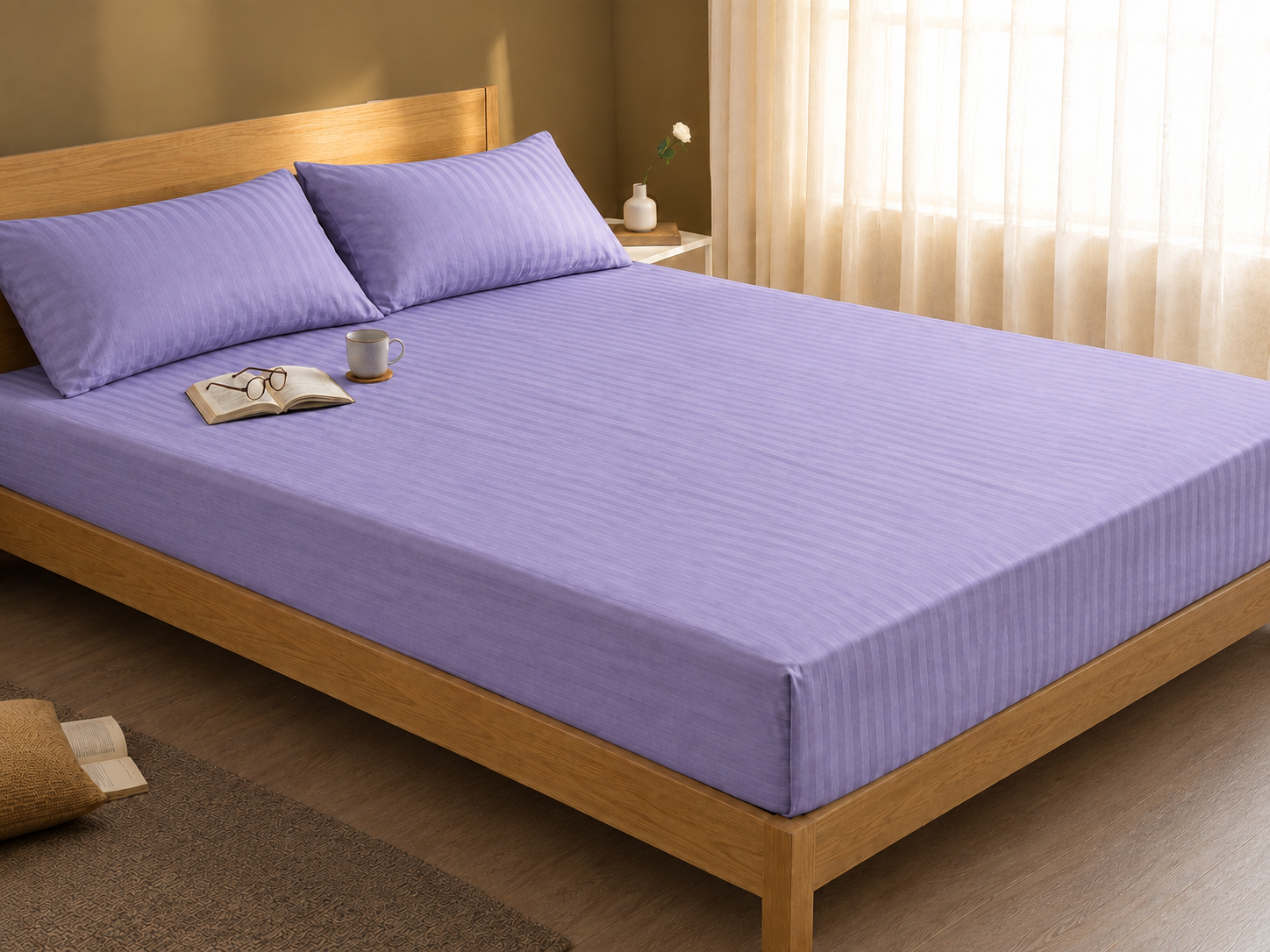
The best bedsheet for hot sleepers is a breathable sheet in a light weave — cotton percale or bamboo at 200–400 thread count keeps air moving and sweat away. Avoid heavy sateen above 400 thread count and synthetic satin, which trap heat. Choose a light colour, wash in cool water, and pair it with a breathable mattress protector.
If you wake up warm, damp or tangled in your sheets, the problem is often not your mattress or your room. It is the sheet itself. A bedsheet sits directly against your skin for seven or eight hours, so its fibre, weave and weight decide how much heat and moisture stay trapped around you. The good news is that choosing the best bedsheet for hot sleepers is simpler than it looks: pick a breathable fibre, a light weave, and a sensible thread count, and most warm nights get noticeably cooler.
Your body releases heat and moisture all night, and on warm nights an adult can lose up to half a litre of sweat while asleep. A sheet has two jobs: let that heat escape and move moisture away from your skin. Sheets fail at both jobs when they are made from fibres that do not breathe, woven too tightly, or simply too heavy. Polyester and other synthetic fibres hold heat because they do not absorb moisture or let air pass easily. Very high thread counts pack more yarn into every square inch, which leaves less space for air to move. Dark, heavy sheets absorb more warmth, and a plastic-backed mattress protector can undo the work of even the best bedsheet for hot sleepers by sealing heat underneath you. None of this means you need an expensive sheet — it means you need the right combination of fibre, weave and weight.
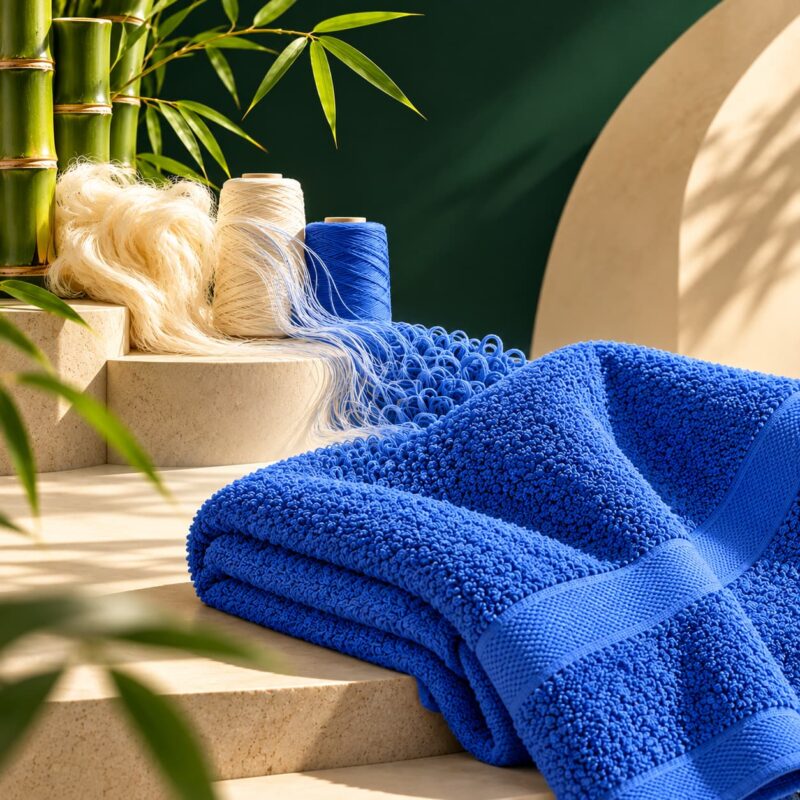
Cotton percale is the classic cool sleeper’s choice. Its plain one-over-one weave feels crisp and matte, lets air pass freely, and stays cool to the touch. Look for 100% cotton percale at 200–400 thread count. Bamboo is the softest cool option: its fibres wick moisture well and feel smooth against the skin, usually at 300–400 thread count. Linen is the most breathable fabric of all and gets softer with every wash, but it wrinkles easily and costs more than cotton. Cotton sateen has a smooth sheen and a silkier feel; it is warmer than percale, but a light 210 TC sateen sheet stays far more breathable than a heavy 400+ TC sateen sheet, so it suits mild warm sleepers who like a soft, smooth finish. Avoid polyester satin sheets if you sleep hot — they look shiny, feel slippery, and trap heat through the night.
| Fabric | Breathability | Feel | Best for |
|---|---|---|---|
| Cotton percale | Very high | Crisp, cool, matte | Hot sleepers who like a fresh, airy sheet |
| Bamboo | High | Soft, smooth, drapes well | Hot sleepers who want softness with cooling |
| Linen | Highest | Textured, relaxed | Very hot sleepers who do not mind wrinkles |
| Cotton sateen (210 TC) | Medium | Smooth, silky sheen | Mild warm sleepers who prefer a soft finish |
| Polyester satin | Low | Slippery, shiny | Not recommended for hot sleepers |
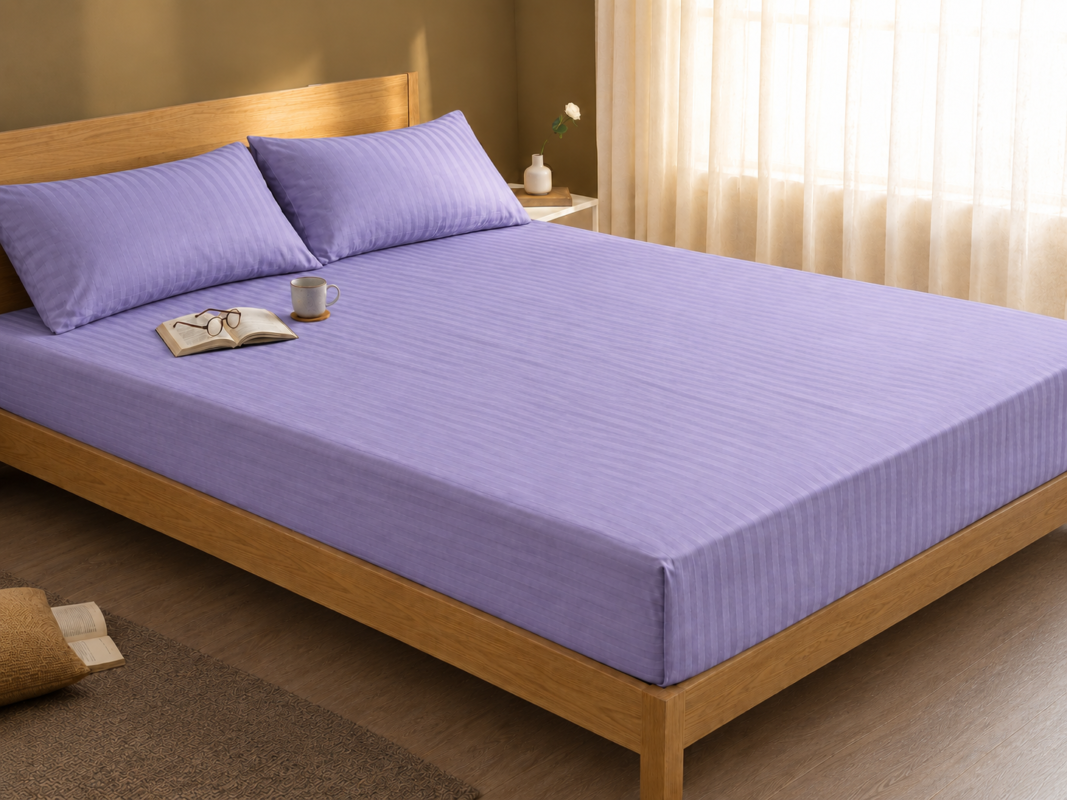
If you want a ready example, the Bedsheets collection includes the Selene 210 TC Sateen Stripe Bedsheet and the Nivara 210 TC Sateen Stripe Bedsheet — both light 210 TC sateen sheets that work well for mild warm sleepers, especially in light colours.
For hot sleepers, the sweet spot is 200–400 thread count. Below 200, a sheet can feel thin and wear out faster. Above 400, the weave gets denser, airflow drops, and the sheet starts to feel warmer — even when the cotton itself is good quality. That is why a 210 TC sheet often sleeps cooler than a 600 TC sheet made from the same fibre. Fibre quality matters more than the number on the label: a well-made 200–300 TC cotton sheet from long, fine fibres will feel smoother and breathe better than a rough 800 TC sheet. Do not chase the highest number. For the best bedsheet for hot sleepers, choose 200–400 TC, check that the fibre is cotton, bamboo or linen, and let the weave do the cooling work.
Yes — weave usually matters more than thread count for staying cool. Thread count only counts the yarns; weave decides how those yarns sit together and how much air can pass between them. Percale uses a plain one-over-one-under weave, which leaves small gaps that let air move. Sateen uses a three-over-one-under weave, which packs yarns closer and gives that smooth, slightly shiny surface — and less airflow. Two sheets can share the same 300 thread count and sleep very differently because one is percale and the other is sateen. So when you compare sheets, read the weave first and the thread count second. If a label says neither, hold the fabric up to the light: a percale lets a little light through its open weave, while a dense sateen blocks it.
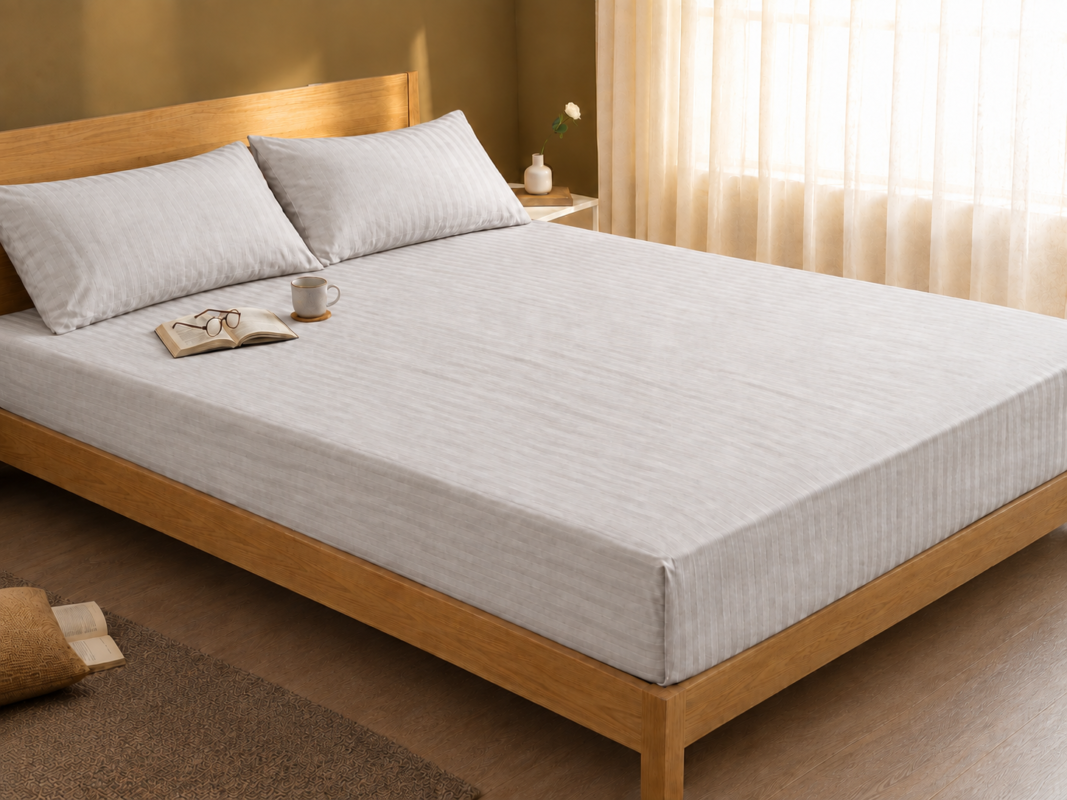
Light colours — white, ivory, pale grey, soft pastels — reflect heat and feel cooler than dark navy or charcoal sheets, which absorb warmth. Light colours also show less fading from sun and washing. Fit matters too: a fitted sheet that matches your mattress depth stays smooth and does not bunch up into warm folds. Measure your mattress before buying, including any topper. Standard sizes to know: single 90 x 190 cm, double 135 x 190 cm, queen 150 x 200 cm, king 180 x 200 cm, and super king 200 x 200 cm. A flat sheet gives you an extra light layer you can push aside on the warmest nights, while a fitted sheet alone keeps things simple and cool.
Wash sheets in cool or warm water at 30–40°C — hot water is not needed for regular washing and can wear fibres out faster. Skip fabric softener: it coats fibres with a thin layer that reduces absorbency and breathability, which makes sheets feel warmer over time. Line-dry when you can, or tumble dry on low heat and take sheets out while they are still slightly damp. Hot sleepers should wash sheets weekly, and twice a week during peak summer, because sweat and body oils build up in the weave and block airflow. Keep two sets in rotation so one set is always fresh while the other is in the wash.
Cool-sleep facts at a glance:
The best bedsheet for hot sleepers is a breathable cotton percale or bamboo sheet at 200–400 thread count. Both let air move and wick moisture away, so you stay dry through the night.
Yes. A 210 thread count sheet is light enough to breathe well, especially in cotton percale or light sateen. It sleeps cooler than a dense 400+ thread count sheet made from the same fibre.
Heavy sateen above 400 thread count can feel warm because its tight weave blocks airflow. A light 210 TC sateen sheet is much cooler and suits mild warm sleepers who like a smooth, silky finish.
Wash bedsheets weekly, and twice a week in peak summer. Sweat and body oils build up in the weave and reduce airflow, so fresh sheets genuinely sleep cooler.
Choosing the best bedsheet for hot sleepers comes down to three checks: a breathable fibre, a light weave, and a 200–400 thread count. Start with cotton percale or bamboo, pick a light colour, and wash weekly in cool water. Your nights will feel cooler within the first week — no new mattress required.
May your home be filled with light
DELECACY
Tap to light the diya