Flat 20% Off On All the orders | Use Code:SP10



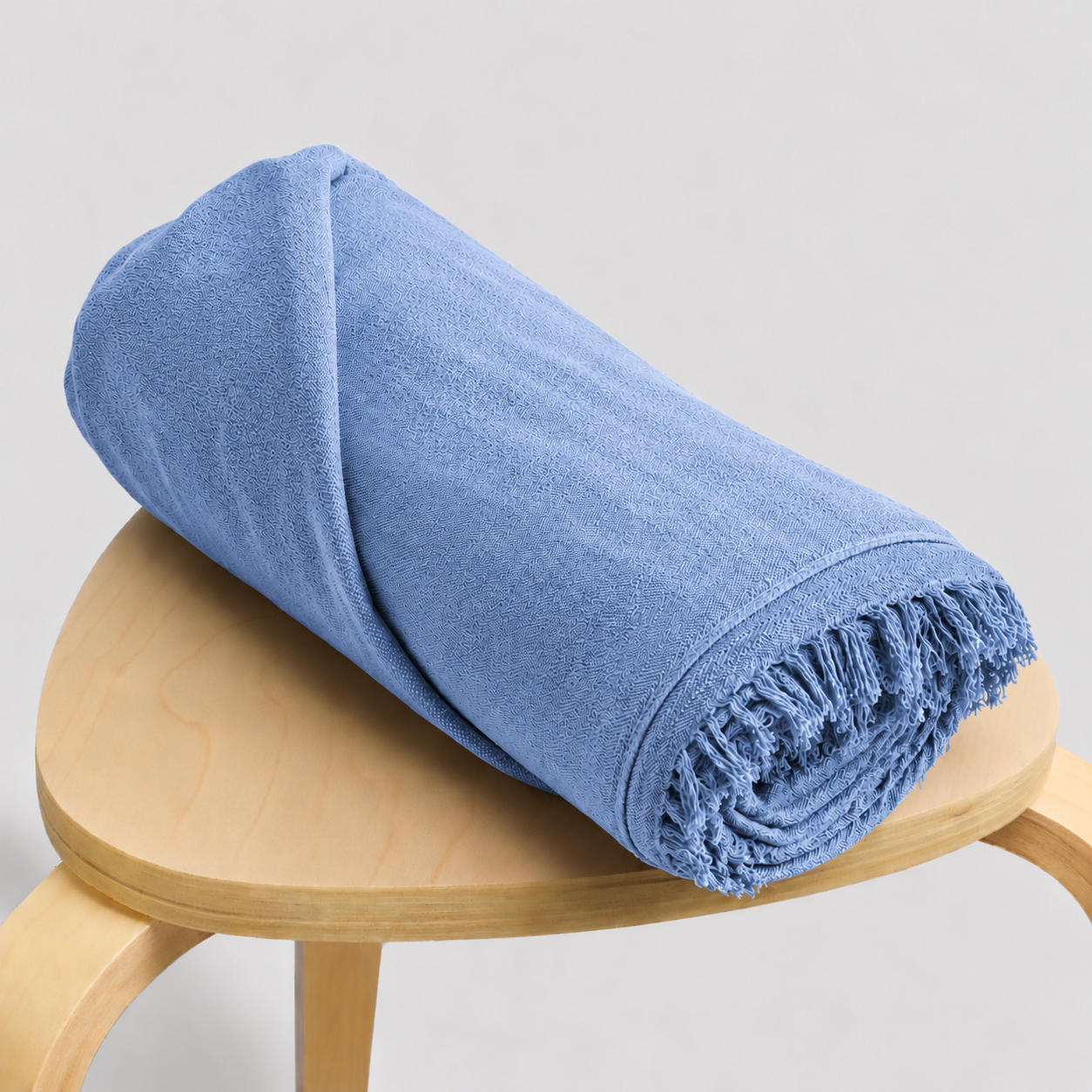
The best towel for sensitive skin is a soft, low-friction towel in 400–600 GSM bamboo or long-staple cotton, washed without fabric softener and dried without high heat. Bamboo and combed cotton fibres feel smoother against reactive skin, while a mid-weight weave dries fast enough to stay fresh between washes.
The best towel for sensitive skin is a bamboo or long-staple cotton towel in the 400–600 GSM range, with a smooth, low-friction surface and no added fragrance or softener residue. The right towel matters because skin that reacts easily is irritated less by how a towel feels than by how often it is used — most people press a towel against their face and body twice a day, so even a small roughness adds up. Look for combed or ring-spun cotton, bamboo viscose, or a bamboo-cotton blend, and choose a towel that feels smooth when you run it across the inside of your wrist. If it catches or scratches there, it will feel worse on damp, freshly washed skin. You can browse the full towel collection to compare weights and weaves before you decide.
Bamboo viscose and long-staple cotton are usually the gentlest towel materials for sensitive skin, because their fibres are smoother and produce less friction than short-staple cotton or coarse blends. Bamboo fibres are smooth and round in cross-section, which is why bamboo towels often feel silky even at a modest weight. Long-staple cotton, such as combed cotton, has longer fibres that are spun into a smoother yarn with fewer loose ends sticking out, so the surface feels even rather than scratchy. Microfibre can feel very soft when new, but its fine split fibres can cling to dry skin and some people find it grabs rather than glides, so test it before committing to a full set. Whatever material you choose, avoid towels with heavy chemical finishes, added fragrance, or a stiff, starched feel straight from the packet — wash a new towel twice before first use to remove surface finishes.
For sensitive skin, a towel in the 400–600 GSM range is the best balance of softness, absorbency and drying speed. GSM, or grams per square metre, measures how dense a towel is. Towels below 400 GSM are light and dry quickly but can feel thin and less cushioned, which means more pressure on the skin to absorb the same water. Towels above 600 GSM feel plush and luxurious, but they stay damp longer, and a towel that stays damp is more likely to develop a musty smell between washes. A mid-weight towel around 500 GSM absorbs well, dries within a few hours on a ventilated rail, and still feels soft after many washes. If you live in a humid home or have little airflow in the bathroom, stay nearer 400 GSM so the towel dries fully between uses.
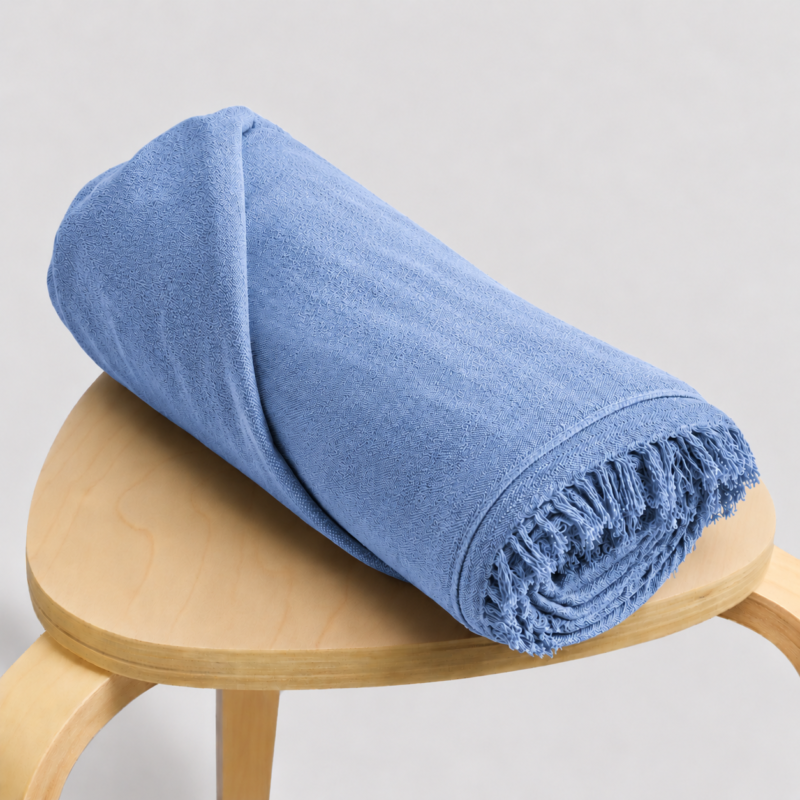
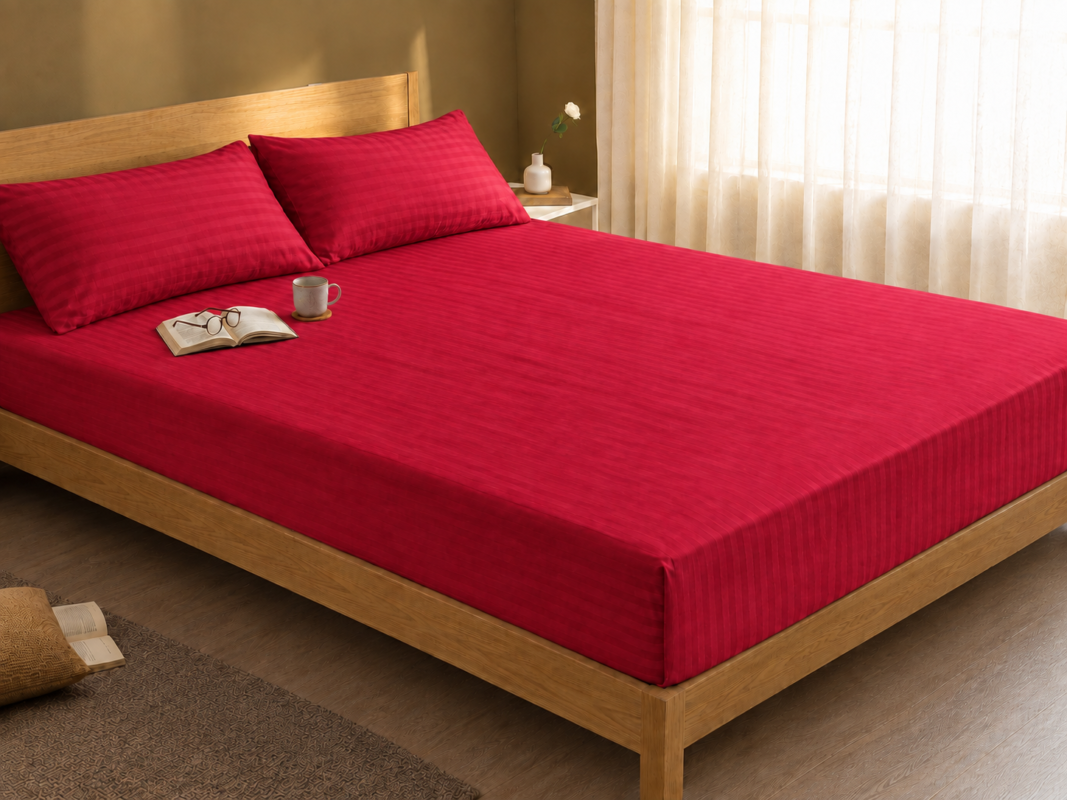
For sensitive skin, a non-terry towel is often the gentler choice, because its flat, smooth surface creates less friction than raised terry loops. Terry loops are designed to trap water, and that texture can feel rough on reactive or very dry skin, especially when you rub rather than pat. A non-terry towel glides across the skin and dries faster, which also helps it stay fresh. That said, a good-quality terry towel made from combed cotton with short, dense loops can still feel soft — the loops should look even and lie flat, not stand up stiffly. A good example of a soft terry option is the Crimson Veil Bamboo Terry Towel, while the Breeze Bamboo Non-Terry Towel shows how smooth a flat-weave towel can feel. If you prefer terry, choose a 400–500 GSM towel with short loops and pat your skin dry instead of rubbing. For the face, many people with sensitive skin keep a separate, smaller non-terry towel and use it only for the face, so it stays cleaner and softer for longer.
Wash towels for sensitive skin in warm water at 40°C with a fragrance-free detergent, and skip fabric softener and dryer sheets completely. Fabric softener coats fibres with a waxy layer that reduces absorbency and leaves a residue on the skin, which is exactly what sensitive skin does not need. Use half the detergent you would for a normal load if your water is soft, and add 120 ml of white vinegar to the rinse cycle once a month to dissolve built-up detergent and keep the fibres open. Dry towels on a low heat setting or on a line in fresh air, and avoid high heat, which makes cotton fibres brittle and scratchy over time. Wash new towels twice before first use, and wash bath towels after every 3–4 uses — or sooner if they stay damp or develop any smell.
Replace a bath towel for sensitive skin every 1–2 years, or sooner if it feels rough, thin, or scratchy even after washing. Towels lose softness gradually as fibres break down and detergent builds up, so a towel that once felt gentle can quietly become an irritant. Signs it is time to replace include a rough or stiff feel after air-drying, visible thinning or fraying edges, a smell that survives a hot wash, and reduced absorbency that makes you rub harder to dry off. Face towels wear out faster because they are washed more often, so check them every 6–12 months. When you replace a towel, keep the old one for cleaning or the gym rather than throwing it away while it still has use.
Avoid towels with added fragrance, heavy chemical finishes, stiff sizing, or a very high GSM that stays damp for hours. Fragrance is one of the most common irritants in laundry products, and it can linger in towel fibres even after several washes. Chemical finishes that promise wrinkle resistance or a permanent soft feel often work by coating fibres, and that coating can flake onto skin. Very thick towels above 700 GSM may feel luxurious when new, but in a bathroom with poor airflow they stay damp, and damp towels are more likely to smell and need hotter washes, which in turn makes the fibres rougher. Also avoid rough, loosely woven towels with long, uneven loops, and be cautious with brightly dyed towels if you react to dyes — lighter towels in white, cream or pale blue are usually the safest starting point.
Ideal GSM: 400–600, around 500 for most bathrooms. Wash temperature: 40°C with fragrance-free detergent. Drying: low heat or line-dry; a towel should dry within 3–4 hours on a ventilated rail. Replace bath towels every 1–2 years and face towels every 6–12 months. Wash bath towels after every 3–4 uses. Skip fabric softener, dryer sheets and added fragrance.
| Material | Feel on skin | Drying speed | Best for |
|---|---|---|---|
| Bamboo viscose | Silky, very smooth | Moderate | Sensitive and dry skin; face towels |
| Long-staple cotton | Soft, even surface | Moderate | Everyday bath towels |
| Standard cotton | Can feel rougher if short-staple | Moderate | Budget sets; wash before first use |
| Microfibre | Very soft when new, can cling | Fast | Gym and travel; test on skin first |
| Linen blend | Crisp, textured | Fast | People who like a light, airy towel |
A bamboo or long-staple cotton towel in 400–600 GSM, washed without fabric softener. It feels smooth, absorbs well, and dries fast enough to stay fresh.
Bamboo is usually smoother and feels silkier, while long-staple cotton is slightly more durable and easier to wash. Both work well; choose bamboo for the face and cotton for everyday bath towels.
No. Fabric softener coats the fibres, reduces absorbency, and leaves a residue that can irritate sensitive skin. Use white vinegar in the rinse cycle instead.
Wash bath towels after every 3–4 uses, face towels after every 2–3 uses, and always wash a new towel twice before using it on sensitive skin.